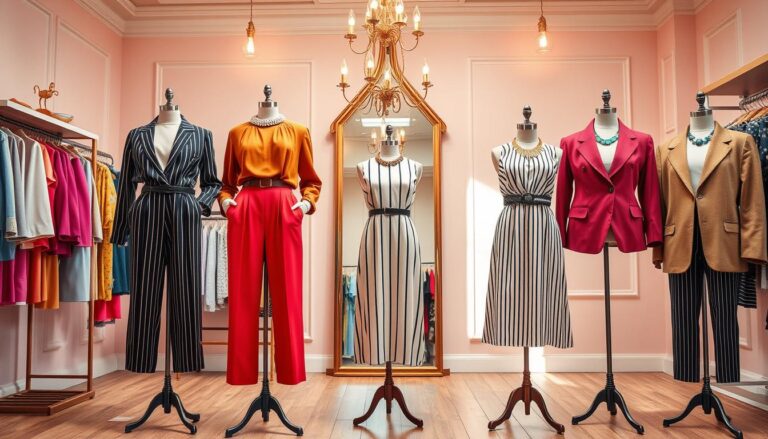
Surprising fact: studies show that small adjustments in cut and proportion can change how tall you appear by inches—without heels or surgery.
I get the frustration: sleeves that swallow your arms, waists that sit too low, and outfits that somehow shorten your frame. I’ve felt that pinch and I’ve helped others fix it.
These are five practical hacks that help petites look more balanced and, if they want, appear taller—without turning style into rigid rules.
Early on I anchor the idea: fashion tips for petite women center on proportions and fit. Think vertical lines, hemlines that show the leg, higher waistlines, tonal dressing, and accessories scaled to your frame.
Why it works: the eye reads long lines and clear columns as length. Waist placement redirects attention. Right-scale accessories prevent visual breaks.
Body shape isn’t a barrier—petite refers to height. These approaches flex across curves and straighter frames. Later, I’ll share outfit formulas and tailoring guidance you can use right away.
Table of Contents
Petite Style Basics: What “Petite” Means in Fashion Today
Petite is a height category first, not a body type. I say that because many readers tie the label to weight or shape. It isn’t.


Many brands design petite clothing for people about 5’4″ and under. Some use 5’3″ and under. Either way, it’s about shorter proportions—shorter torsos, arms, and legs.
Why cuts change
Petite lines raise waistlines and armholes. Seams and pocket placement get scaled down. Collars, lapels, and buttons sit closer together so they don’t overwhelm a smaller frame.
- Higher waist = balanced torso length.
- Raised armholes = cleaner sleeve fit.
- Scaled details = less visual bulk.
Why this matters: once you know the why, shopping stops feeling personal and starts feeling solvable. You can shop petite sections or use tailoring and smart choices to get the same effect.
| Feature | Standard Cut | Petite Cut |
|---|---|---|
| Waist placement | Lower on torso | Higher to shorten torso visually |
| Armhole depth | Deeper, looser sleeves | Shallower, closer fit |
| Detail scale | Larger pockets and lapels | Smaller, proportional details |
What Makes Petite Outfits Look Flattering and Balanced
A flattering petite outfit balances length and shape so the clothes highlight you, not hide you. I use that line as a quick test when I get dressed.
Dress to create length without hiding your shape
Start by defining the waist. A visible waistline prevents the common trap of being swamped by fabric.
Quick check: ask yourself, “Is this outfit wearing me, or am I wearing it?” If the clothes feel heavy, proportions are off.
Use proportion to keep clothes from overwhelming your frame
Think one streamlined line plus one focal point. That combo reads polished and keeps your silhouette clear.
- Avoid oversized tops with wide-leg bottoms.
- Skip heavy fabrics that add bulk at the hip.
- Watch for low waists that shorten the leg visually.
Remember: illusion is a tool, not a rule. Some days you want drama; other days you want height. Choose intentionally, then use the five hacks ahead to repeat what works in your wardrobe and refine your look and style.
Fashion Tips for Petite Women That Create the Illusion of Height
The simplest way to appear taller is to shape one long, uninterrupted line from shoulder to shoe. I use that rule when I shop and when I tailor a piece.
How the eye reads vertical lines, waist placement, and hemlines
Eye test: the eye follows vertical cues—seams, narrow stripes, and open layers. It also notices where your waist and hem hit.
Raise the waist and tidy hem lengths. Those two changes create the biggest illusion of length with the least effort.
When to streamline with color vs. add a focal point
On tonal days, choose a near-match color from top to bottom. Monochrome makes an unbroken column.
If you want a focal point, pick one: a V-neck, a narrow belt, or a sleek shoe. That single accent draws attention without breaking length.
Common fit issues and quick fixes
I see three recurring problems in fitting rooms: sleeves that swallow hands, dropped waists, and bulk around the midsection.
Good news: petite cuts or minor tailoring fix almost all of these. Hem sleeves, raise waist placement, and choose lighter fabrics to remove bulk.
- Do this first: raise the waist, clean hems, and test vertical lines.
- Use tailoring to make ready-to-wear pieces feel custom.
- Lean on one focal point when you want interest without losing length.
| Issue | Effect | Quick Fix |
|---|---|---|
| Long sleeves | Shortens arm and distracts | Shorten to bracelet or cuff length |
| Dropped waist | Shortens leg line | Raise waist or tuck/top |
| Bulk at midsection | Makes silhouette heavy | Choose drape fabrics or tailor |
Hack: Lean Into Vertical Lines and Vertical Stripes
Use narrow vertical elements to guide the eye up and down and create a more elongated silhouette. That is the core trick I reach for when I want a clean, lifted look without changing proportion drastically.
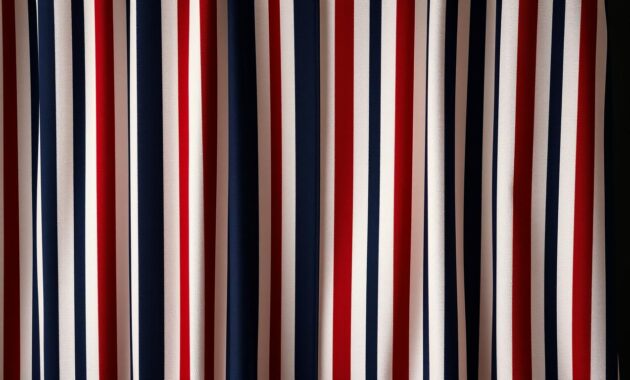
Thin vertical stripes and pinstripes pull the eye along the body. They help you read an illusion longer than the actual height.
Why thin stripes and seams work
Thin vertical stripes reduce visual breaks. Center seams and vertical ribbing do the same thing.
- Pinstripe trousers narrow the hip and lengthen the leg visually.
- Dresses with center seams create a steady vertical line.
- Tops with long plackets or vertical ribbing add subtle height.
Build verticality with layers and accessories
An open cardigan, an unbuttoned shirt, or a long pendant necklace creates the same effect when stripes aren’t available. Keep the base layer fitted so the outer line reads clean, not bulky.
Avoid widening effects
Wide stripes or boxy silhouettes can widen the torso. I learned this the hard way—bold bands interrupt the vertical read and reverse the desired effect.
| Element | Why it works | Styling note |
|---|---|---|
| Thin vertical stripes | Guides eye up and down | Pair with slim shoes to extend line |
| Center seams | Creates continuous column | Choose mid-weight fabrics for smooth drape |
| Long cardigan or pendant | Builds vertical line without pattern | Keep inner layer fitted to avoid bulk |
Bottom line: use narrow verticals or smart layering to create illusion, not hide your frame. Small, intentional lines refine the silhouette and make clothes feel made for you.
Hack: Choose Hemlines That Show More Leg
A visible leg line gives the eye something to follow, and that small change can lengthen your silhouette. Showing more leg creates an uninterrupted vertical plane that reads as longer on a shorter frame.
Why above-the-knee often flatters
Skirts and dresses that hit just above the knee are forgiving. A-line or wrap shapes sit away from the body and define the waist. That combination shows leg while keeping balance.
Cropped pants that work
Cropped pants that stop above the ankle make a clean break at the narrowest part of the lower leg. That visible ankle reads as extra leg length, especially with sleek shoes.
How to make midi lengths work
Midi length can shorten if it lands at the widest part of the calf. If you love a midi, choose a fitted silhouette, a higher waist, or pair it with heels to lift proportions.
- Pointed-toe shoes nudge the eye forward and extend the leg line.
- If a hem hits the widest part of your calf, try a different length or a different shoe.
- Think visible leg as a simple way to create the illusion longer legs.
One of the biggest styling challenges for shorter frames is mastering voluminous pieces without looking overwhelmed by the fabric, especially when learning how to correctly style oversized blazers. If you are still struggling to find the perfect proportions for your signature look, seeking a personalized fashion consultation is the best investment you can make for your wardrobe.
Hack: High-Waisted Bottoms for Longer Legs
A higher waistline is a simple shift that tricks the eye into longer legs and a shorter torso. I reach for high-rise jeans and trousers when I want quick, reliable length without gimmicks.
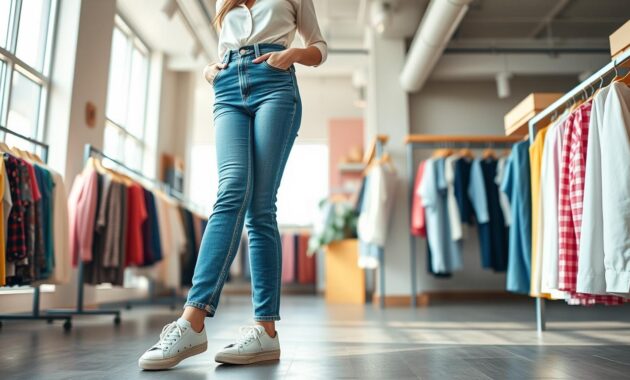
How high-waisted jeans, trousers, and skirts change proportions
High-waisted jeans or a high-rise skirt shifts the visual waist upward. That makes the legs read longer and the torso appear compact.
Try high-rise trousers with a tucked blouse or a fitted tank with jeans to see the effect immediately.
Tucking and half-tucking to emphasize the waistline
Full tuck gives a polished, tailored look. Half-tuck adds casual structure while still pulling the waist into focus.
Both methods help define your shape without squeezing. I use the half-tuck when I want relaxed but intentional lines.
Fit notes: avoiding bulk at the waistband and hip area
Poor fit around the waist or hips creates bulk and cancels the lengthening effect. Watch for extra fabric pooled at the waistband.
- Choose smoother fabrics or flatter front closures to reduce bulk.
- Size for the hip and tailor the waist if needed.
- Remember: emphasis on shape, not squeezing—comfort matters.
| Item | Why it works | Styling tip |
|---|---|---|
| High-rise jeans | Raises waist, lengthens legs | Pair with a slim knit or tucked tee |
| High-waisted pants | Creates compact torso | Tuck blouse and add a narrow belt |
| High-waisted skirt | Defines waist and adds leg line | Choose A-line or slim knit to avoid bulk |
Hack: Monochrome and Tonal Outfits for a Streamlined Look
A head-to-toe palette is one of the fastest ways to make an outfit read as a single, taller column. When the same color family runs from shoulder to shoe, the eye doesn’t pause. That unbroken line creates a subtle illusion of height.
Tonal dressing is my go-to when full monochrome feels too stark. Mix darker and lighter shades of the same hue—navy with soft navy, or beige layered with cream—to keep the column intact without feeling flat.
Using texture to add depth
Textures keep a single-color look interesting. Pair a ribbed knit with a smooth trouser, or denim with a cashmere sweater. Texture adds dimension but does not break the vertical line.
Quick, reliable formulas
- All-black with a pointed shoe for a sleek, uninterrupted line.
- Navy top + navy trousers with mixed textures for subtle contrast.
- Soft neutrals layered in similar tones to avoid a harsh break between top and bottom.
Why it helps: contrast between top and bottom can make some people feel visually “cut in half.” A monochrome or tonal approach avoids that effect and keeps your look cohesive. Honestly, when I’m short on time, a tonal outfit is my fastest route to looking put-together.
Current Fashion Trends: Building Your Ultimate Wardrobe
Staying updated with the latest fashion styles doesn’t mean you have to throw away your entire closet every few months. The secret to a truly elegant look is learning how to blend modern trends with timeless garments. When you focus on smart styling, you create a signature look that turns heads everywhere you go.
Fashion for Every Season
The foundation of a great closet is versatility. Embracing fashion for every season ensures you are always prepared, whether it is a freezing winter morning or a breezy summer afternoon. Layering is your best friend here, allowing you to adapt quickly without losing your unique style.
Comfortable Workwear Fashion for the Office
Gone are the days when dressing for the office meant stiff, unforgiving fabrics. Today, comfortable workwear fashion is the ultimate goal for modern professionals. You can absolutely look sharp, authoritative, and elegant while feeling as comfortable as if you were working from home.
Fashion Tips for Petite Professionals
Finding the perfect fit can sometimes be a challenge. The absolute best fashion tips for petite frames involve embracing high-waisted trousers and monochromatic outfits. These simple tricks naturally elongate your silhouette, giving you a taller and highly sophisticated appearance in any professional setting.
Where to Find Classic Fashion Pieces
Trends come and go, but classic fashion pieces—like a perfectly tailored blazer, a crisp white button-down, or a flawless pair of trousers—will always be the core of true elegance. Investing in these items saves you money and time in the long run.
Bonmarche Ladies Fashion & Kaleidoscope Fashion
When it comes to finding reliable, everyday elegance, exploring collections like Bonmarche ladies fashion provides excellent staples that fit beautifully. On the other hand, if you are looking to inject some vibrant colors and bold patterns into your classic wardrobe, adding a touch of Kaleidoscope fashion is the perfect way to make your outfit truly unforgettable.
Hack: Scale Accessories to Your Frame
What many skip: accessories have size, and on a shorter frame they either harmonize or hijack the look.
I recommend smaller handbags, narrow belts, and delicate jewelry that add polish without weight. A slim belt defines the waist and sharpens a simple top-and-bottom combo. It creates shape without slicing the body.
Choose proportionate pieces
Pick bags that sit close to the body and avoid oversized logos. Choose jewelry that reads fine at arm length—tiny hoops, a thin chain, or stacked rings.
Prints and patterns on accessories
Micro-patterns and small motifs on scarves and bags read more proportionate than large graphics. They complement an outfit instead of stealing attention.
- Balance rule: one statement piece is enough; keep the rest simple.
- Match belt width to your waist so the effect is flattering, not cutting.
- Let accessories support the outfit and your natural shape.
| Accessory | Why it works | Styling note |
|---|---|---|
| Small crossbody | Keeps line clean | Wear close to torso |
| Narrow belt | Defines waist | Pair with tucked top |
| Delicate jewelry | Adds shine without bulk | Choose thin chains or small studs |
Outfit Formula: High-Waisted Jeans and a Fitted Top
My go-to outfit that never fails is high-rise jeans paired with a close-fitting top. It creates instant structure and reads intentional without effort.
Why this combo defines the waist and elongates the legs
High-waisted jeans lift your visual waistline. A fitted top keeps fabric from adding bulk above the hip.
That raised waist + clean top makes the lower body read longer. The result: legs that look extended and a balanced silhouette.
Shoe pairings that add height: heeled ankle boots and sleek pumps
Choose shoes that continue the line from hem to toe. I prefer heeled ankle boots with a slimmer shaft or sleek pumps to lengthen the lower leg.
Even a modest heel shifts posture and confidence without sacrificing comfort.
- Default formula: high-waisted jeans + fitted top for instant structure.
- Work option: full tuck + blazer for polish.
- Casual: half-tuck with a tee or a bodysuit for a seamless line.
- Fit note: if jeans bunch at the ankle, hem them—clean hems sharpen the whole outfit.
Quick win: this combo is simple, repeatable, and helps you appear taller while staying comfortable.
Even Hollywood’s biggest stars use specific tailoring tricks to their advantage. As noted in several high-end style guides by Harper’s Bazaar, the right hemline and high-waisted proportions can instantly elongate any petite frame.
Outfit Formula: Wrap Dresses, Mini Dresses, and Knee-Length Winners
A well-cut dress acts like an instant tailoring trick, defining the waist and lengthening the frame. I reach for these shapes when I want a quick, polished result that still feels personal.
Wrap dresses are my go-to. They naturally cinch the waist and the V-neck draws the eye up and down. Adjustable ties help you tailor the fit so the wrap sits where your torso reads best.
Mini dresses paired with knee-high boots create fewer visual breaks down the leg. That combo makes the lower body read as one column, producing a real longer legs effect without extreme heels.
A-line and fit-and-flare silhouettes give shape without drowning a shorter frame. Look for lighter fabrics and shoulder seams that sit on your shoulder to keep the proportions crisp.
- Quick shopping filter: adjustable ties, soft drape fabrics, correct shoulder seam placement.
- Pair minis with close-fitting boots to avoid a bulky cuff at the ankle.
- Choose wraps with a modest V-neck for vertical emphasis.
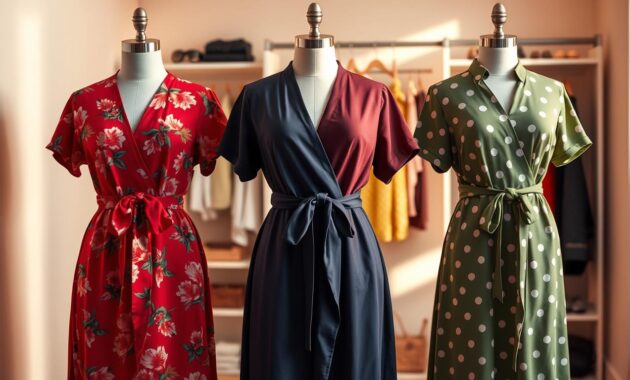
| Silhouette | Why it works | Styling note |
|---|---|---|
| Wrap | Cinches waist, V-neck elongates | Adjust tie for perfect fit |
| Mini + knee boots | Reduces breaks, extends leg line | Choose slim boots with low bulk |
| A-line / Fit-and-flare | Adds shape without excess fabric | Pick light fabrics and correct shoulder fit |
Shoes That Help Petites Appear Taller Without Sacrificing Comfort
What you put on your feet can create an instant, subtle illusion of longer legs. Small changes in shape and color change how the eye travels from hem to toe.
Pointed-toe flats and heels to visually lengthen the leg line
Pointed shapes extend the foot visually. That small elongation helps the entire lower line look longer.
Pointed-toe flats are my go-to no-pain option. They feel polished and still create an elevated silhouette.
Nude and near-match shoes that extend the line of the leg
Shoes close to your skin tone or to your pants reduce harsh breaks. This near-match makes the leg read as one continuous line.
Pick a neutral that blends with your skin or the pant color. It’s an easy illusion that works with many outfits.
Kitten heels and subtle lifts for everyday wear
Kitten heels add lift without wobble. They change proportions just enough to help you appear taller while staying comfortable.
- Sleek silhouettes beat chunky details when length is the goal.
- Keep cropped hems neat so the shoe can do the work.
- Comfort matters—confidence always looks better than a stumble.
| Choice | Why it works | Styling note |
|---|---|---|
| Pointed-toe | Extends foot visually | Flats or low heels for no-pain lift |
| Nude / near-match | Reduces visual breaks | Match to skin or pant color |
| Kitten heel | Low, steady lift | Everyday wear without discomfort |
Quick win: the right shoes make you appear taller and feel steady. I’ve seen the difference—small gets big results.
Tailoring and Fit: The Fastest Way to Upgrade Petite Clothes
A quick trip to a good tailor often changes how every item in your closet reads—fast. I’ve seen plain purchases become favorites after four simple edits. Tailoring is the real shortcut: the right fit makes affordable clothes look custom and intentional.

What to tailor first: hems, sleeves, shoulders, and waist placement
I prioritize hems on pants and skirts, then shorten sleeves and fix shoulder seams. Last, I shift the waist so tops and dresses land where they should.
- Hem pants/skirts to show the right ankle or knee.
- Shorten sleeves to bracelet length when needed.
- Adjust shoulder seams to remove slouch and bulk.
How a tailored fit prevents “drowning in fabric”
When fabric puddles or droops, it drags the eye and hides shape. A clean seam and correct shoulder line lift posture and slim the frame.
Making non-petite pieces work with an alterations plan
Don’t fear non-petite racks. Buy what you love, then tailor the clothes. Cost-to-wear matters: altering a staple you wear weekly beats buying five almost-right pieces.
Think of tailoring as the best style trick—small changes, big impact.
| Alteration | Why | Result |
|---|---|---|
| Hems | Stops fabric from pooling | Cleaner length, longer leg line |
| Shoulders | Fixes slouch, aligns seams | Sharper silhouette |
| Waist placement | Prevents low, shortening cuts | Balanced torso and leg ratio |
Layering for Petite Women Without Adding Bulk
Layering can feel like a win or a trap — and on a shorter frame the wrong pieces quickly add bulk. I’ve seen how heavy knits and oversized coats drown a silhouette. The goal is warmth with a clean, elongated look.
Lightweight layers and streamlined silhouettes
Start with thin knits, fitted tees, and a slim blazer. These pieces give warmth without weight.
Tip: choose fabrics that drape. They hug the body and avoid adding volume.
Cardigans and coats: keep lengths from overpowering your legs
A long cardigan or coat that hits at mid-calf can cut the leg line and shorten the frame. Aim for lengths that either end above the knee or near the ankle.
One well-placed cardigan can add verticality when worn open. The gap creates a straight line that helps the eye travel down, preserving your natural legs line.
Balance one relaxed piece with one sleek piece
My simple formula: one relaxed layer + one streamlined base. For example, a slightly oversized sweater paired with slim trousers keeps proportions sharp.
Quick wins:
- Fitted base layer under an open jacket creates length.
- Swap a bulky coat for a mid-weight wrap and a tailored blazer.
- Keep one piece tucked or belted to define the waist.
| Problem | Why it shortens | Fix |
|---|---|---|
| Heavy, boxy coat | Overwhelms torso | Choose a streamlined coat or belt it |
| Long, closed cardigan | Breaks leg line | Wear open or choose shorter length |
| Multiple bulky layers | Puffs the silhouette | Keep one layer sleek; limit bulk |
Honestly, when I pair one clean layer with one interesting piece, my outfit reads intentional. Small decisions about clothes keep your frame looking balanced and confident.
Necklines, Sleeves, and Jackets That Add Length Up Top
The upper half matters: when the neck, sleeves, and jacket create upward movement, the whole outfit reads balanced. I prefer small changes that add clarity rather than competing details.
V-necks that elongate the neck and torso
Why it helps: a V-neck draws the eye down the center, creating a longer-looking neck and torso. Pick modest Vs that show a vertical line without revealing too much.
Sleeve lengths that flatter: three-quarter and bracelet-length
Three-quarter or bracelet sleeves reveal the wrist. That tiny gap prevents sleeves from swallowing the arm and avoids visual bulk near the hand.
Cropped blazers and jackets to define the waist
Cropped jackets that hit the natural waist define shape and support proportion. They stop bulky fabric from chopping the leg line and make high-rise bottoms work harder.
- A quick formula I use: V-neck knit + cropped jacket + high-rise pants = clean, proportional look.
- These elements shift the eye up and down, adding perceived length without fuss.
- Remember: this is guidance, not rigid rules—choose what suits your body and style.
| Element | Effect | Styling note |
|---|---|---|
| V-neck | Vertical focus | Pair with fitted top |
| 3/4 sleeves | Shows wrist, reduces bulk | Wear with slim bracelet or watch |
| Cropped blazer | Defines waist | Hits at natural waist for best proportions |
Fabric and Print Choices That Work With Petite Proportions
Choose materials that lift your silhouette, not weigh it down. Lightweight fabrics like chiffon, silk, and fine cotton drape close to the body and keep lines clean. Heavy or stiff cloth adds volume fast and can overwhelm a smaller frame.
What to look for: check tags for words like “lightweight,” “silk finish,” or “drape.” Feel the fabric—if it skims, it will hold shape without puffing. Knits that skim the torso work better than stand-away sweaters.
Small-scale prints vs. oversized patterns
Small prints—micro-florals, tiny polka dots, and compact geometrics—stay in proportion and flatter dresses and tops. Large, bold patterns can overpower your frame and break a vertical read.
Love a bold print? Balance it with solids. Use a printed dress or blouse, then add a single-tone coat or slim trousers so your outfit still reads streamlined.
Final note: when fabric and print match your shape, you stop fussing and start feeling confident in your clothes. I’ve seen it change how people carry themselves—comfort and clarity go hand in hand.
Conclusion
Conclusion — quick checklist: I’ll boil this down to five moves you can use now: vertical lines, higher waistlines, hem lengths that show leg, tonal or streamlined colors, and accessories scaled to your frame.
Mindset: this is not about hiding. It’s about choosing proportion, fit, and intent so the eye reads length and balance.
Instant wins: high-waisted jeans paired with a fitted top, wrap dresses that define the waist, and hemlines that show the leg. Shoes that help: pointed-toe or near-match shades and kitten heels for low-impact lift.
Tailoring is the grown-up trick—hem, sleeve, and waist tweaks make most clothing work. Try one idea this week and build from there.
FAQ
What does “petite” actually mean in clothing?
How can I make outfits create the illusion of longer legs?
When should I choose monochrome looks versus adding a focal point?
What hemline lengths work best for petites?
Are vertical stripes always a safe bet?
How should accessories be scaled for a smaller frame?
What shoe shapes help without forcing me into high heels?
Which outfits are the most reliable go-tos for petites?
What should I tailor first when adjusting non-petite pieces?
How can I layer without adding bulk?
Any fit mistakes petites should avoid?
Can petites wear midi skirts and still look taller?
What prints and fabrics flatter smaller proportions?
How do I use waist placement to look taller?
Which jacket styles should petites choose?

I’m Rodrigo Durães, founder of CareersForge — the world’s leading career platform — and recognized as one of the most comprehensive and experienced career and life coaches globally. With multiple academic degrees from the world’s top universities and over two decades of experience as a CEO, my mission is clear: to help people unlock their full professional potential through honest, strategic, and proven content.